
Saint Martin I, Pope and Martyr, stands as one of the Church’s most courageous defenders of truth. His papacy in the 7th century was marked by conflict, persecution, and heroic witness to the faith. He suffered exile and hardship for defending the doctrine of Christ’s two wills—divine and human—against heresy. His steadfastness, humility, and love for truth earned him the crown of martyrdom and a lasting place among the great confessors of the Church.
Early Life and Election as Pope
Saint Martin was born in Todi, Italy, around the beginning of the 7th century. Known for his virtue, learning, and diplomatic skill, he served the Church as a deacon and papal ambassador before being elected Pope in 649 AD.
He was the last pope consecrated without the approval of the Byzantine emperor, a sign of the Church’s growing independence in spiritual matters. Martin took office at a time when the Monothelite heresy—which claimed that Christ had only one divine will—was spreading rapidly through the Eastern Church.
For background on his early life, visit Wikipedia – Pope Martin I.
Defender of the True Faith
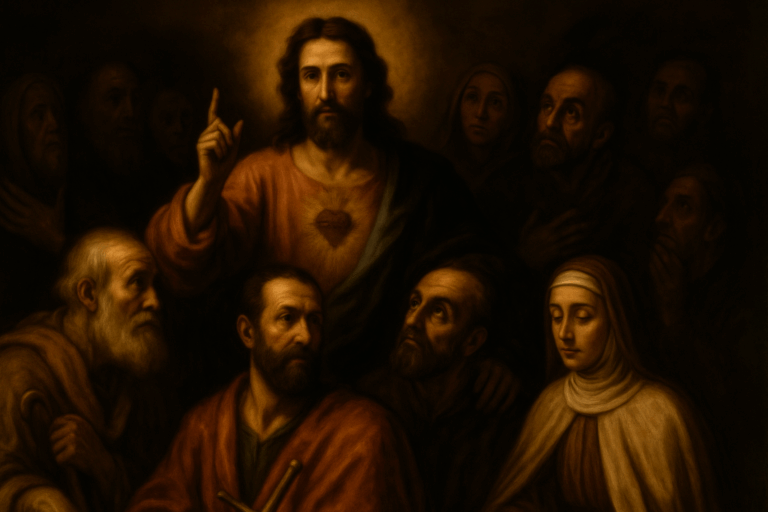
As Pope, Saint Martin I immediately called a Lateran Council in 649 AD, gathering bishops to condemn Monothelitism and affirm the full Catholic teaching: that Christ possesses two natures and two wills, human and divine, perfectly united in one Person.
His courage placed him in direct conflict with the Byzantine Emperor Constans II, who supported the heresy for political unity. Despite the emperor’s threats, Pope Martin refused to remain silent. He boldly proclaimed that no ruler had authority to dictate the truths of faith, declaring,
“The Church is not subject to the emperor, but to Christ alone.”
This defense of orthodox doctrine would soon lead him to great suffering.
To learn more about the council, visit New Advent – Pope Saint Martin I.
Arrest and Exile
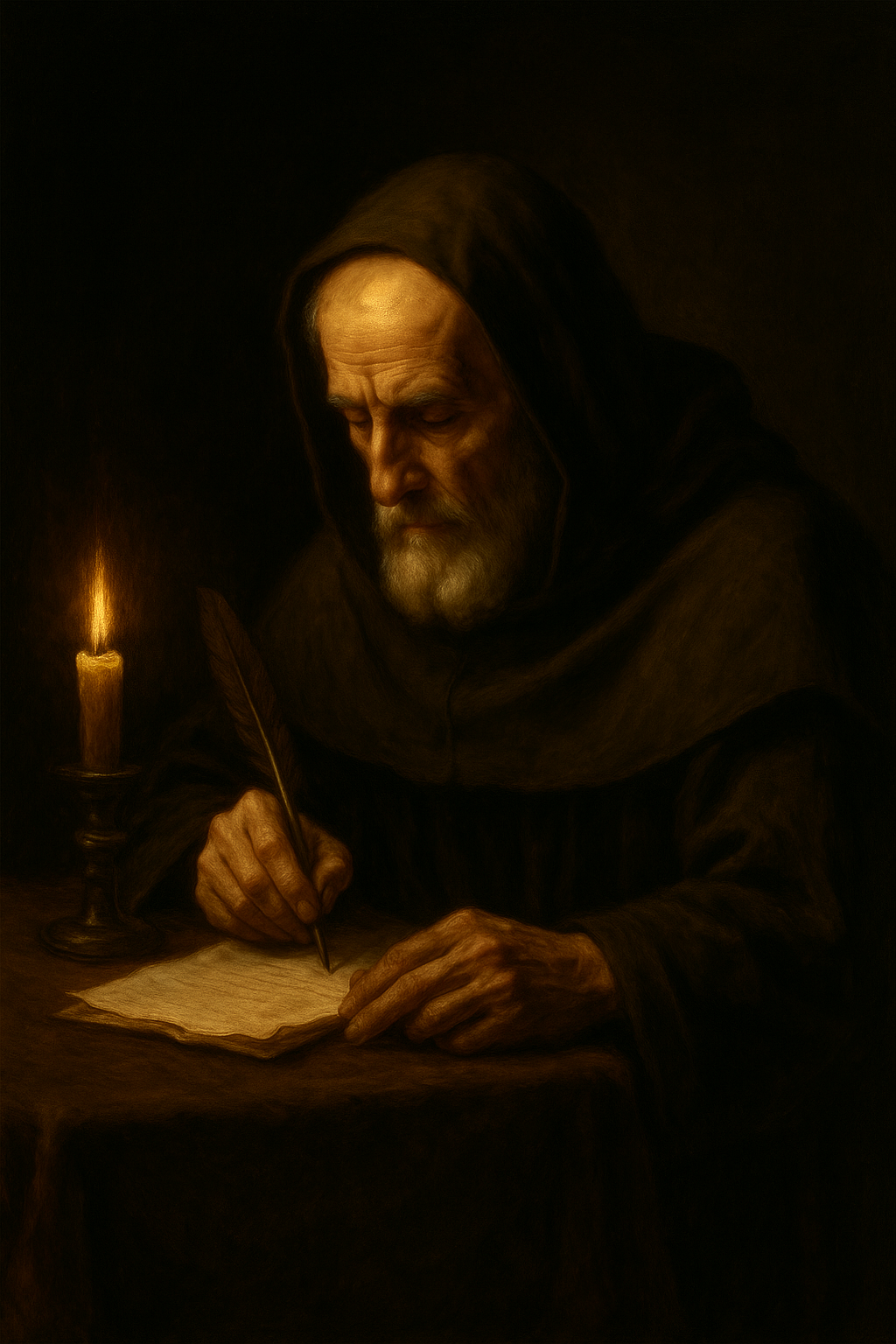
In 653 AD, agents of the emperor seized Pope Martin and took him to Constantinople. He was imprisoned, publicly humiliated, and falsely accused of treason. Though weakened by illness and harsh treatment, he never denied the faith or his duty as successor of Saint Peter.
After months of trials and mistreatment, he was exiled to the Crimea, where he endured hunger, cold, and isolation. Even in exile, he continued to encourage Christians through letters, reminding them to hold firm in faith despite persecution.
His words from prison still echo today:
“I am not afraid to suffer for the truth. The Lord knows that I have done nothing against His Church.”
Martyrdom and Death
Saint Martin’s body finally gave way under the weight of his suffering. He died in 655 AD, offering his life for the truth of the Incarnation. The Church honors him as both Pope and Martyr, for though he was not executed by sword or fire, he freely accepted death in witness to the faith.
His relics were later returned to Rome, and his name was added to the roll of holy martyrs who laid down their lives for Christ and His Church.
Legacy and Feast Day
Saint Martin I’s courage reminds every believer that the truth of Christ must be defended at all costs. His steadfastness in suffering reflects the heart of true discipleship—faith that remains firm in trial.
He is venerated as the last pope to die a martyr and a model of obedience to God over earthly power. The Church celebrates his feast on April 13, honoring his witness to truth, charity, and courage.
Conclusion
Saint Martin I, Pope and Martyr, teaches that faithfulness to Christ may demand sacrifice, but such sacrifice leads to eternal victory. His example calls us to stand firm in truth, even when the world opposes it.
“He who suffers for the truth walks in the footsteps of Christ Himself.”
Through Saint Martin’s intercession, may we gain courage to defend the faith and remain steadfast in every trial.